
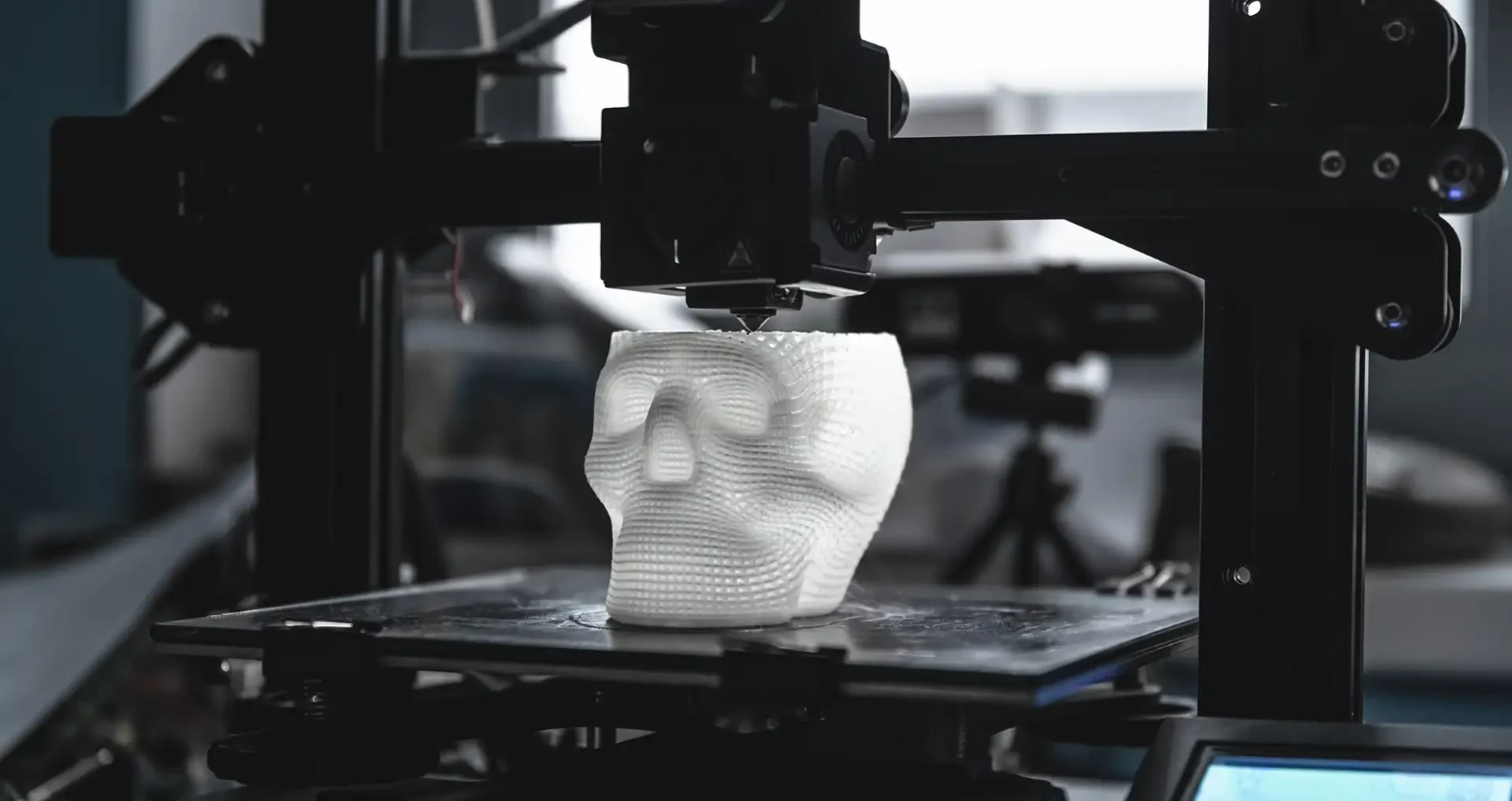
Manual bed leveling means setting the gap between the nozzle and bed surface at multiple points so the nozzle is the same distance from the bed everywhere on the print surface. Most modern printers handle this automatically, but understanding how it works makes troubleshooting first layer issues faster when automatic leveling isn’t producing the right result.
The Paper Method: The Classic Manual Leveling Technique
The paper method uses a standard sheet of printer paper (0.1mm thick) as a feeler gauge. Heat the bed to print temperature first. Move the nozzle to each corner and the centre. Slide the paper under the nozzle. Adjust the corner adjustment nut until the paper slides with slight resistance. Repeat all positions until consistent.
You’re not trying to make the nozzle touch the paper. You’re setting the gap to approximately 0.1mm, which is the correct distance for the z-offset to work from. A properly leveled bed means the slicer’s z-offset setting produces a consistent first layer everywhere on the plate.
Feeler gauges at 0.1-0.2mm provide more precision than paper but aren’t necessary for most hobby printing. Paper works fine for PLA on a standard PEI bed.
Automatic Bed Leveling: What It Does and Doesn’t Do
Automatic bed leveling (ABL) uses a probe to map the bed surface at multiple points before printing. The firmware creates a compensation mesh and adjusts the Z position dynamically during the first layer to compensate for surface irregularities. This is what Bambu Lab printers do before every print.
ABL compensates for surface variation but doesn’t replace z-offset calibration. If your z-offset is set too high or too low, ABL still produces a bad first layer. The two work together: ABL handles surface flatness, z-offset handles the correct gap. More in the first layer calibration guide.
Frequently Asked Questions: Bed Leveling
How do I know if my 3D printer bed is level?
Print a single-layer test square covering the full bed area. Inspect the first layer: if lines in one area are round (nozzle too far) and flattened in another (nozzle too close), the bed needs adjustment at those corners.
How often should I level my 3D printer bed?
On printers with automatic bed leveling like Bambu Lab machines: the software re-levels before every print. On manual printers: check leveling whenever you notice first layer inconsistencies or after moving the printer. Ideally, check monthly for regular use.
Does automatic bed leveling mean I never need to manually level?
Not quite. ABL compensates for surface variation but the base tramming (physical corner adjustments) should be close to level before ABL works optimally. Most manual printers benefit from occasional physical leveling as a starting point for ABL to compensate from.