
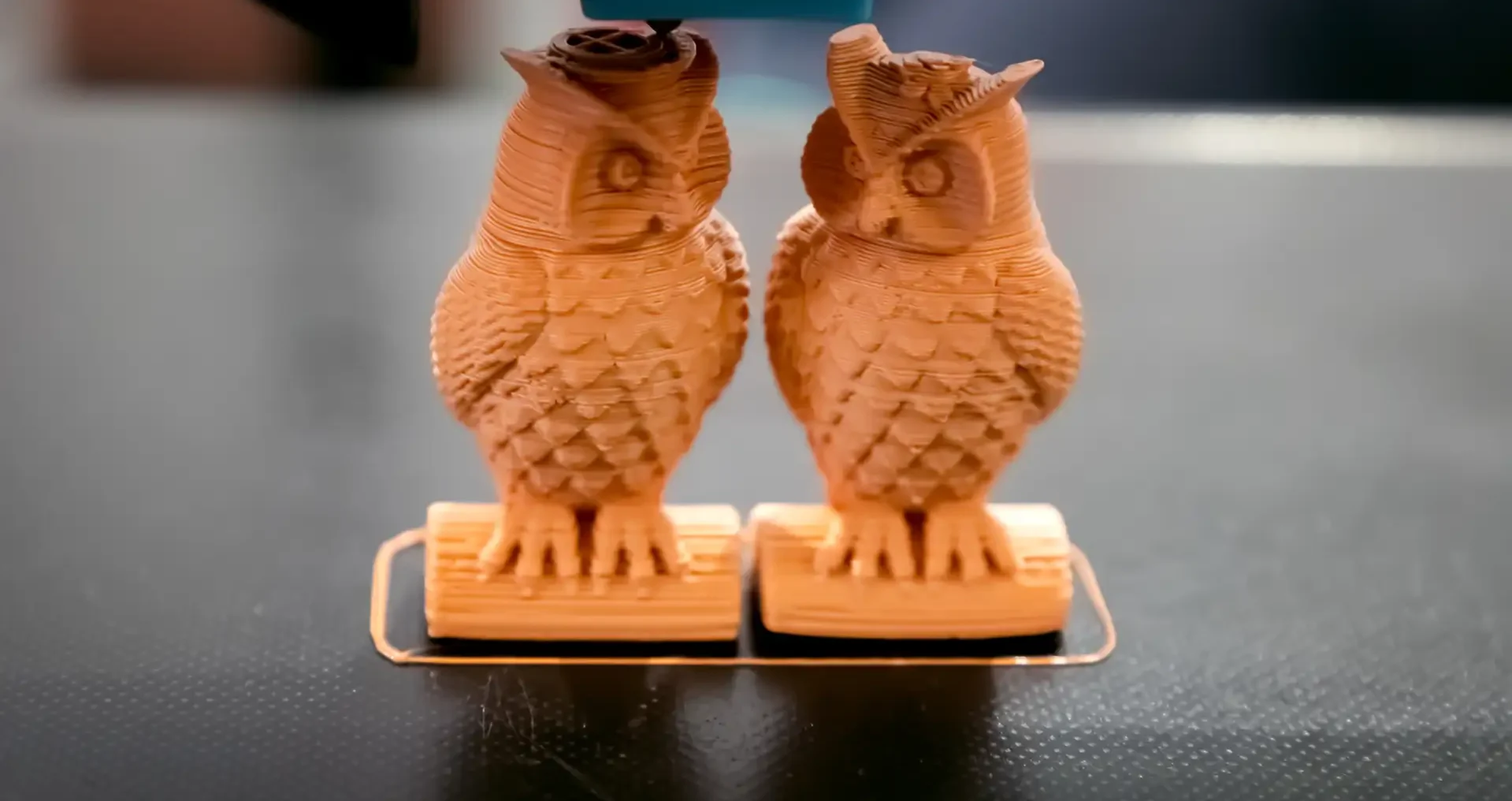
3D printing has shifted from a niche engineering tool to one of the most versatile hobby platforms available. For under $400, a machine in your home lets you make custom gaming accessories, cosplay props, replacement parts, dollhouse furniture, and display pieces. The barrier to starting is lower than ever and the community supporting it is enormous. Here’s what hobbyist 3D printing looks like in 2026 and why it’s worth starting.
The Most Popular Hobbyist Print Categories
TCG accessories lead by volume in the hobby community. Deck boxes for Magic: The Gathering, One Piece, and Lorcana; token holders; card trays; and storage solutions make up a huge portion of downloads on Printables and Cults3D. The OreKo catalog is built around this community with multiple deck box designs and accessories.
Cosplay props are the second major category. The ability to print helmet sections, weapon props, and character accessories at home has transformed the cosplay workflow. A full set of armour that would have taken weeks of foam work can be printed while you sleep. The cosplay props beginner guide covers the full process.
Miniatures, terrain, and tabletop gaming accessories sit alongside this, with an active community producing wargaming terrain, DnD props, and dungeon tiles. Dollhouse collecting has also found a strong intersection with 3D printing, with the OreKo balcony railing set alone pulling 4,900+ views on Cults3D.
Getting Started Without Overwhelm
The biggest mistake new hobbyist printers make is trying to learn everything at once. The right path is narrow: buy a Bambu Lab A1 or A1 Mini, print the included test files, then download 3-4 free files from Printables in a category you care about and print those. Learn what happens when things go wrong from real prints, not from reading forums before you start.
The full beginner setup guide is at what do you need to start 3D printing.
Frequently Asked Questions: 3D Printing as a Hobby
Is 3D printing a good hobby?
Yes, for makers who like combining technical and creative work. The learning curve is real but manageable, the community is genuinely helpful, and the output is tangible and useful. Unlike purely digital hobbies, you end up with physical objects you made yourself.
How much time does 3D printing take as a hobby?
As much or as little as you want. Some hobbyists run overnight prints and spend 30 minutes a day on slicing and finishing. Others build multi-week projects around elaborate cosplay builds. A single deck box takes 2-3 hours of print time and 15 minutes of active involvement.
Is 3D printing a good hobby for kids?
Yes, with supervision depending on age. Designing and printing objects is genuinely educational. The handling of hot components and the printing environment require adult supervision for younger children. Teens can learn independently with basic safety guidance. Many schools now include FDM printing in curriculum.