
3D printing in Florida comes with specific environmental considerations that makers in drier climates don’t think about. South Florida’s average humidity of 74-80% year-round affects filament storage, material choice for outdoor prints, and even how quickly a print bed surface degrades. This guide covers the Florida-specific adjustments that make a meaningful difference.
Filament Storage Is Not Optional Here
In most US climates, leaving a PLA spool open on a shelf for a week is fine. In South Florida, a week of open-air exposure noticeably degrades PLA print quality. The combination of high humidity and warm temperatures accelerates moisture absorption significantly faster than northern or desert climates.
The practical response: every spool that isn’t actively in the printer lives in an airtight container with rechargeable silica gel desiccant. This is a $20-$40 investment in airtight storage bins that pays for itself in the first avoided failed print from wet filament. Drying temperatures for each material are covered in the filament guide.
Material Choice for the Florida Environment
PLA left in a car parked in South Florida summer sun reaches its deformation temperature within 30-45 minutes. Any prop, accessory, or functional print that will be transported by car needs to be in PETG or ASA to survive intact. This is not a hypothetical: a deck box printed in PLA and left in a car in July in Miami will be a melted pile when you return.
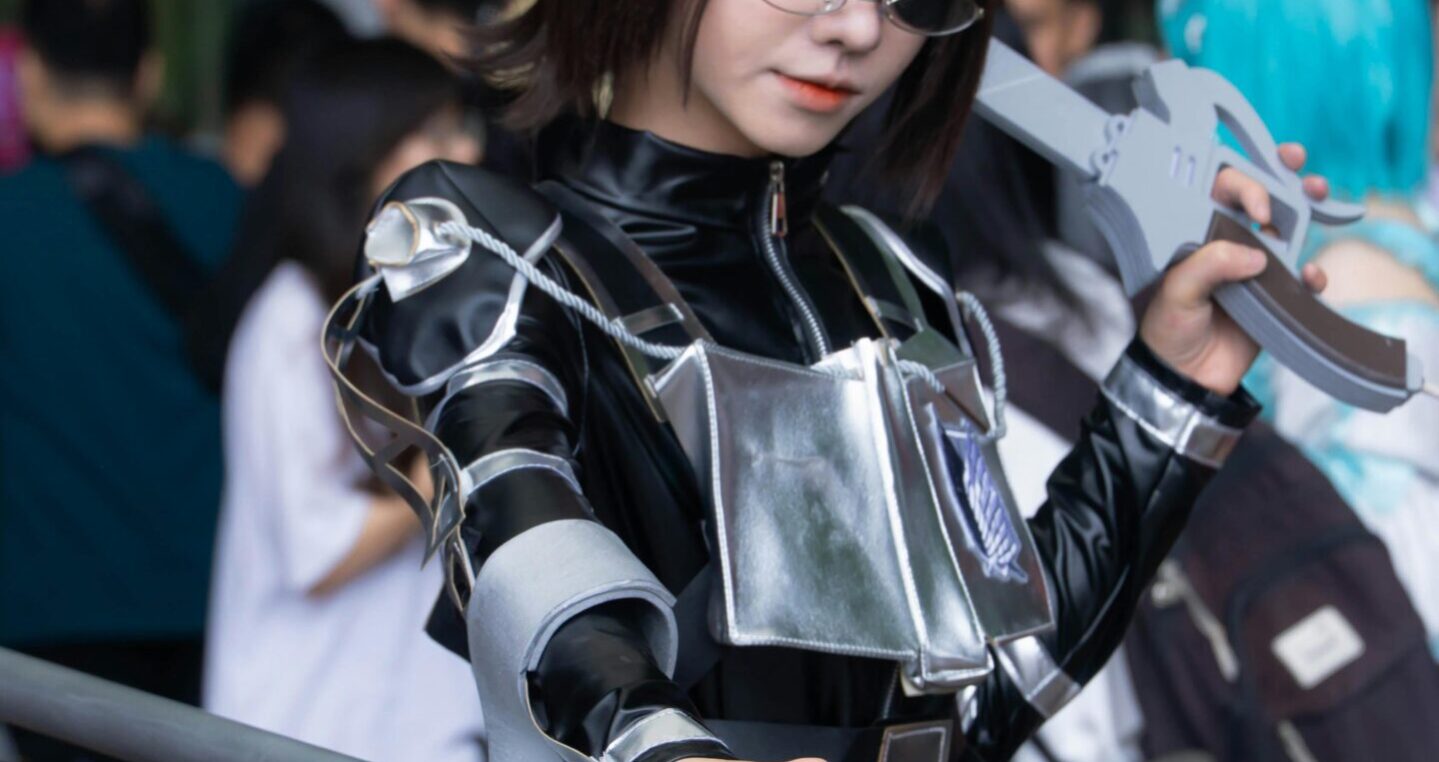
For outdoor garden items, plant markers, and anything in direct sun: ASA only. PETG as a compromise for partial-sun or indirect exposure. Matte PLA is fine for any indoor use. For cosplay props being worn at outdoor Florida conventions in summer: PETG for structural pieces, PLA only for accessories that spend minimal time in direct heat. More at the cosplay filament guide.
AC and Printing: The Draft Problem
Florida air conditioning runs hard for most of the year. AC vents creating airflow near an open-frame printer cause warping on prints that would otherwise be stable. Position your printer away from direct AC output, or use a simple cardboard draft shield if repositioning isn’t possible. This one environmental factor causes a surprising number of otherwise unexplained warping failures in Florida setups.
The Florida 3D Printing Community
South Florida has a growing maker community. MegaCon Orlando, Supercon Miami, and Holiday Matsuri in Orlando drive significant cosplay printing activity. The r/3Dprinting Reddit and local Facebook groups for South Florida makers are active resources. Several makerspaces in Miami-Dade and Broward counties provide printer access and community learning for those who haven’t committed to a machine yet.
Frequently Asked Questions: 3D Printing in Florida
What filament should I use in Florida’s heat and humidity?
PLA for indoor-only items stored in climate control. PETG for anything transported by car or used outdoors occasionally. ASA for permanent outdoor installation. Never leave PLA prints in a hot car in Florida summer.
How does Florida humidity affect 3D printing?
It accelerates filament moisture absorption, which degrades print quality. PLA absorbs noticeable moisture within days of open-air exposure in South Florida’s humidity. Store all filament sealed with desiccant. Dry any filament that’s been open more than 3-4 days before printing with it.
Are there 3D printing events in Florida?
Yes. The largest is MegaCon Orlando each spring, where a significant portion of the cosplay community uses 3D-printed props. Supercon Miami runs annually in summer. Holiday Matsuri in Orlando each December is one of the Southeast’s largest anime conventions with an active cosplay and prop-making community.